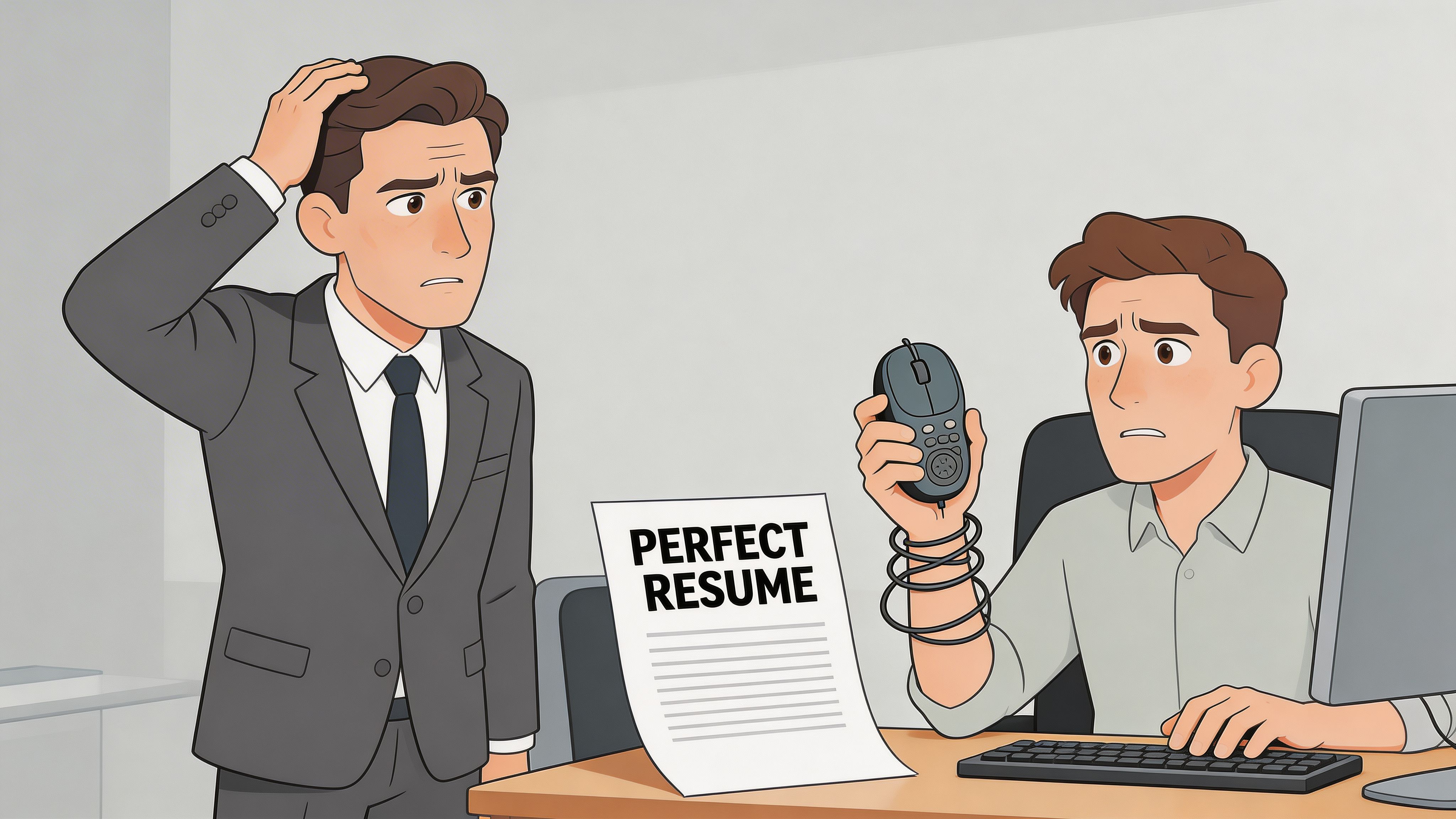
A hiring manager narrows a stack of applicants to one standout candidate. The resume is polished. The interview is smooth. References sound solid. Two weeks into the job, the cracks show. The person can talk about the work, but they cannot do it at the level the role requires.
Most growing companies have lived through some version of this.
The problem is not that resumes are useless. It is that resumes are summaries, not proof. They tell you where someone has been and how well they present that story. They do not reliably show how that person will perform when the work gets messy, time-boxed, collaborative, and real.
That is why skill assessments matter. They help hiring teams stop guessing and start observing actual ability.
Beyond the Resume The Case for Skill Assessments
You can spot the old hiring model in one sentence: “They looked great on paper.”
That sentence usually comes before a long cleanup project. Managers reassign work. teammates compensate. deadlines slip. confidence in the hiring process drops. The company does not just lose time. It loses trust in its own judgment.
Why resumes break down in growing companies
Resumes work best when the market is calm, the role is simple, and the credential path is predictable. That is not the world many companies are hiring in now.
A scaling company needs people who can solve live problems, adapt to changing tools, and make sound decisions with incomplete information. A resume can hint at those traits. It cannot verify them.
That gap helps explain why the hiring market has shifted so quickly. In 2025, 85% of companies globally are using skills-based hiring, up from 73% in 2023, according to TestGorilla’s skills-based hiring statistics.
Those numbers matter because they show this is not a niche HR experiment. It is a response to a practical problem. Companies need a better way to identify people who can perform, not just interview well.
What changes when you test for ability
A good skill assessment changes the hiring conversation from “Do we like this candidate?” to “Can this candidate handle the work?”
That is a healthier question.
It lowers the weight of charisma, pedigree, and keyword-stuffed resumes. It raises the weight of evidence. When a candidate completes a realistic task, you get something much more useful than a polished answer. You get a sample of judgment, process, communication, and output.
Key takeaway: Hiring gets stronger when proof carries more weight than presentation.
For a growing company, that shift is strategic. Hiring risks are higher when every hire shapes team culture, execution speed, and manager bandwidth. Skill assessments are not just another screening step. They are a way to make hiring more grounded in reality.
What Great Skill Assessments Measure
A growing company often makes the same hiring mistake in different costumes. The sales candidate speaks confidently, the analyst uses all the right terms, the engineer explains every framework on the stack. Then the core work starts, and the gap appears. They knew the language of the job, but not the job itself.
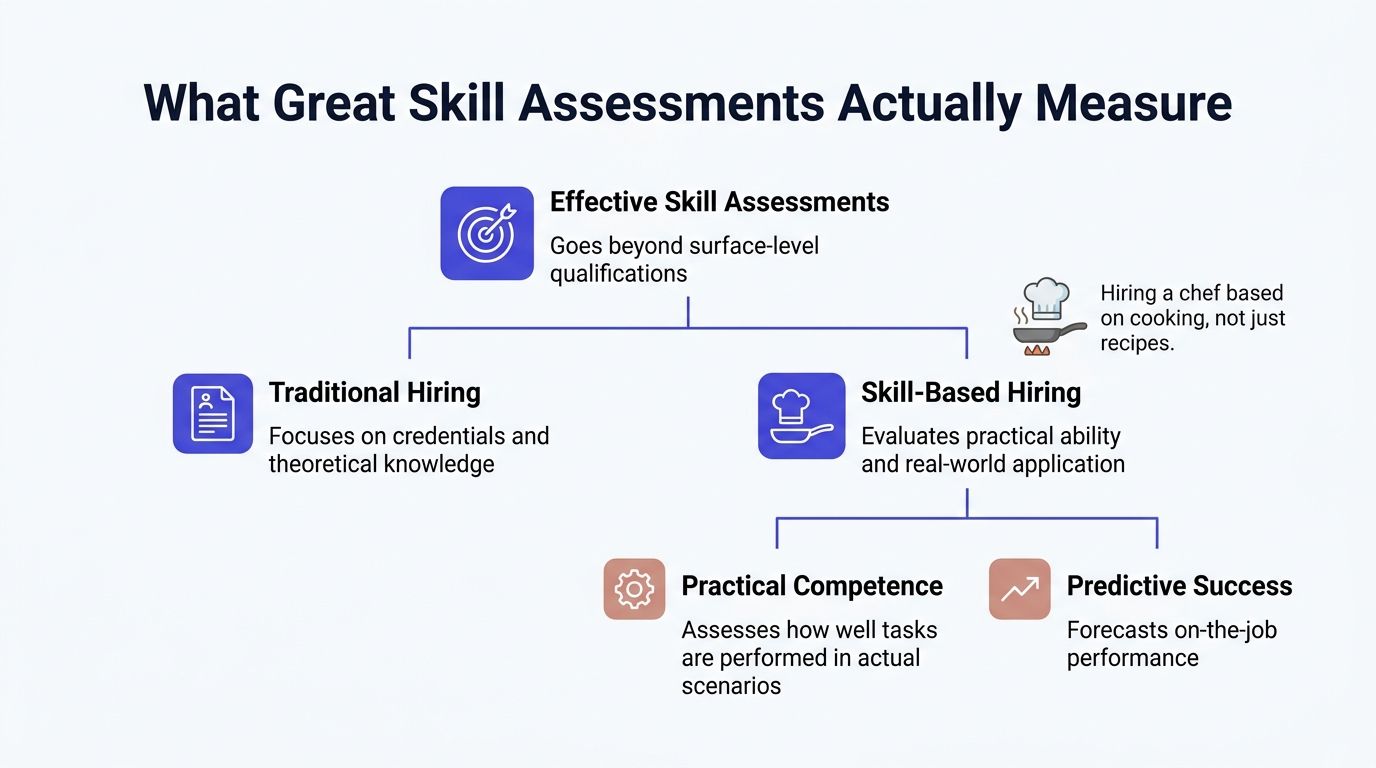
If you were hiring a chef, you would ask for a dish that has to be cooked under real constraints. Time matters. Judgment matters. Recovery from small mistakes matters. Hiring for knowledge alone works like choosing that chef based on a food safety quiz.
Knowledge is not the same as performance
That distinction trips up a lot of hiring teams.
A candidate can recognize terminology, repeat best practices, and still struggle when the task gets messy. Another candidate may have a less polished resume but solve the problem with clear priorities and steady execution. Great assessments are built to expose that difference.
A driving test works like a useful hiring model. The written portion checks whether someone knows the rules. The road test shows whether they can apply those rules while watching mirrors, adjusting speed, and reacting to other drivers. Jobs work the same way. Performance comes from applying knowledge under pressure, not reciting it in a quiet room.
Predictive value matters more than a clean score
A polished score report is not the goal. Better hiring decisions are.
The question to ask is simple: does performance on this assessment line up with performance on the job? If the answer is no, you may be measuring comfort with tests, free time to prepare, or familiarity with interview puzzles rather than ability to do the work. If you want a deeper plain-English explanation of that idea, criterion-related validity is worth understanding.
This point also helps teams avoid a common implementation mistake. They choose an assessment because it is easy to buy, easy to grade, or easy to scale, then assume convenience equals accuracy. It does not. A short quiz can help when you need to verify baseline knowledge. It should not carry the same weight as a realistic work sample if the role depends on judgment, prioritization, or communication.
What strong assessments observe
Strong assessments look past whether someone gets the "right" answer and examine how they work through the problem.
They usually measure things like:
- Applied judgment: Do they make sensible tradeoffs when information is incomplete?
- Work quality: Is the output accurate, usable, and close to what the role requires?
- Process: Can they explain how they approached the task and why they made certain choices?
- Communication: Can they share their thinking clearly with a manager, teammate, or client?
- Adaptability: Can they handle a change in requirements or a follow-up question without losing the thread?
Those signals are harder to fake than polished interview answers. They are also closer to daily job performance.
The format should match the risk
A multiple-choice test can confirm vocabulary and basic concepts. A case exercise can show prioritization. A role-play can reveal listening and objection handling. A take-home assignment can show depth, but it also raises two practical questions. Did the candidate do the work themselves, and did you ask for too much unpaid labor?
That is why implementation matters as much as theory. If cheating is a concern, shorten the task, add a live discussion of the candidate's choices, or ask them to make one change in real time. If candidate drop-off is a concern, keep the assignment proportional to the role and tell people exactly how long it should take. Companies comparing pre-employment assessment tools for different hiring needs should evaluate those tradeoffs, not just feature lists.
The same caution applies to trendy formats. AI quizzes can increase engagement, but engagement alone does not make an assessment predictive. The test still has to reflect the work, resist easy gaming, and produce evidence a hiring team can trust.
A weak assessment asks whether a candidate has seen the material before.
A strong one shows whether they can do the job when the job pushes back.
Cohesyve
See what candidates can do before you interview them
Cohesyve turns your job description into a role-specific assessment with a scoring rubric. Each candidate gets a different version, so questions cannot be shared. Ten candidates free, no card.
Choosing Your Assessment Toolkit
Not every role needs the same test. A finance analyst, SDR, backend engineer, and operations lead should not all face the same format.
The smarter approach is to build a small toolkit and match the method to the kind of evidence you need.
Start with the business outcome
Choosing the right format matters because it affects hiring quality over time. Organizations that use pre-hire skills assessments report 36% higher employee retention rates, according to Testlify’s research summary on skills assessment.
That does not mean every assessment type is equally useful. It means the match between role and method matters.
A practical comparison
| Assessment Type | Best For Measuring | Scalability | Predictive Accuracy | Candidate Experience |
|---|---|---|---|---|
| Multiple-choice questions | Foundational knowledge, terminology, basic reasoning | High | Lower when used alone | Familiar, but can feel generic |
| Live coding challenges | Technical execution, debugging, problem-solving process | Medium | High when tied to real tasks | Strong for engineers if relevant, stressful if artificial |
| Voice role-plays | Communication, objection handling, listening, tone | Medium | Strong for sales and support roles | More realistic than scripted interviews |
| Case studies | Strategic thinking, prioritization, business judgment | Medium to low | High when role-specific | Engaging for experienced candidates, time-sensitive |
| Adaptive tests | Range of ability, depth, consistency under changing difficulty | High | Strong when role-specific | Efficient when well designed |
Multiple-choice questions
These are useful for checking baseline knowledge. They work well when a role requires factual command, such as compliance, finance basics, product terminology, or foundational technical concepts.
Their weakness is obvious. People can memorize answers without being able to apply them. If you use them, use them early and keep them narrow. Think “license check,” not “final verdict.”
If your team wants ideas for interactive screening formats that keep candidates engaged, resources on AI quizzes can be helpful for thinking about structure and participation, especially when you need a lighter first step.
Live coding challenges
These work when the job requires hands-on execution. A strong coding task looks like work the candidate might do. A weak one looks like a puzzle from a whiteboard era nobody misses.
Good coding assessments reveal more than syntax. They show debugging habits, testing discipline, code organization, and tradeoff thinking.
Poorly designed ones create noise. If the challenge is too abstract, too long, or full of trick questions, you are measuring stamina and puzzle practice more than engineering fit.
Voice role-plays
Sales and customer-facing roles often suffer from interview theater. Candidates know the common questions and rehearse polished answers. A voice role-play cuts through that.
You can present a realistic prompt: a hesitant buyer, an upset client, a stakeholder with competing priorities. Then listen for pacing, empathy, clarity, and recovery. This gives you a much better read than asking, “How do you handle objections?”
The key is realism. If the prompt sounds robotic, candidates respond robotically.
Case studies
Case studies are strong for roles where structured thinking matters more than one correct answer. Product managers, consultants, finance hires, marketers, and operations leaders often show their quality through prioritization and judgment.
A useful case study should force decisions. It should not reward the longest deck.
Look for:
- Clear reasoning: Does the candidate connect evidence to choices?
- Tradeoff awareness: Do they notice what cannot all be done at once?
- Communication: Can they explain the recommendation to a mixed audience?
Adaptive tests
Adaptive assessments change difficulty based on how the candidate responds. That makes them useful when you need a sharper read across a wide talent range.
A beginner and an expert should not spend equal time on the same fixed set of questions. Adaptive testing gets both people to a useful signal faster.
This is also one place where cheating prevention matters. Static question banks travel fast. Dynamic, role-specific prompts are harder to game because each candidate sees a different version of the challenge. Tools in this category vary, but some platforms, including Cohesyve, generate role-specific assessments from the job description and use changing question paths rather than a fixed bank. That approach is useful when teams want better relevance without adding manual test design work.
For a broader look at platform options, this guide to pre-employment assessment tools is a practical starting point.
Tip: The best assessment mix is usually layered. Start with a fast screen for fundamentals, then move to one realistic task that mirrors the job.
Principles of Effective Assessment Design
Two candidates finish with the same interview score. One can do the job on Monday. The other is polished at talking about work. Assessment design decides which one you hire.
A weak assessment creates false confidence because it measures the wrong thing with neat-looking numbers. That is what happens when a team buys one generic test, sends it to every applicant, and treats the result as proof of ability. The process feels orderly. The hiring decision gets worse.
Role-specific beats generic
Assessment design starts the same way good job design starts. With the work.
An SDR and a customer success manager both speak with customers, but they solve different problems under different pressure. A data analyst and a product analyst may both work with numbers, yet one role may depend on spreadsheet accuracy while the other depends on experimental judgment. Giving them the same test is like using a road test to evaluate both a delivery driver and a race car mechanic. The overlap is real, but the signal is weak.
Start by mapping the job's repeatable moments:
- Problems that show up every week
- Outputs a strong hire produces without heavy correction
- Decisions that separate competent from excellent
- Mistakes that create rework, risk, or customer frustration
Then build the assessment around those moments. If the role requires client judgment, use scenarios with tradeoffs. If it requires writing, ask for writing. If it requires code review, include flawed code and ask the candidate to spot issues, explain priority, and recommend fixes.
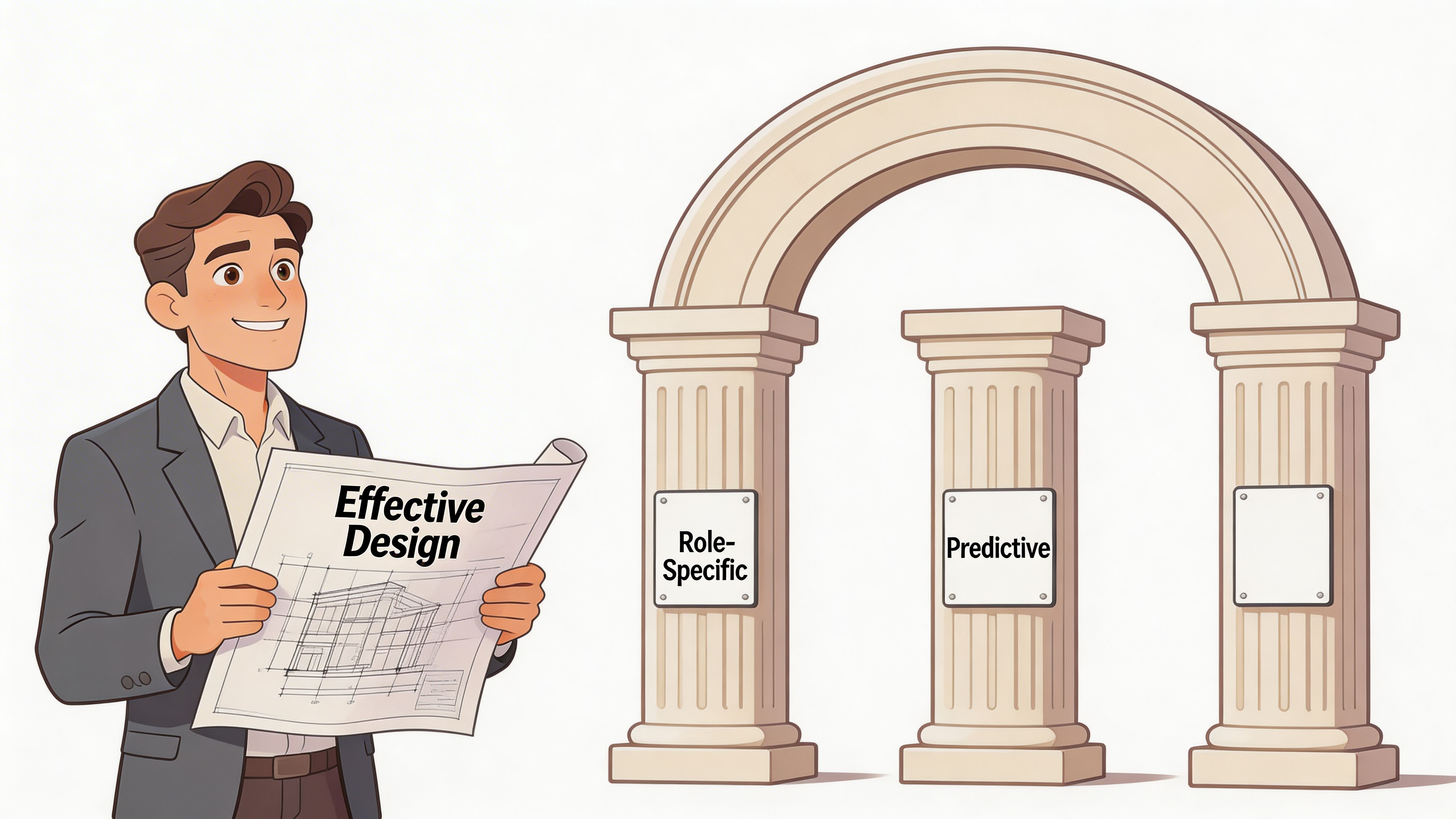
Predictive validity matters more than polish
A polished interface does not make an assessment useful. Job relevance does.
The question is simple. Does strong performance on the assessment resemble strong performance after hire? If the answer is no, the test is measuring comfort with tests, not comfort with the job. As noted earlier, research on skill assessment validity consistently points in the same direction. Work samples and realistic tasks usually predict job performance better than resume screens and broad generic tests.
That is why realistic exercises carry so much weight. They capture the habits behind results. How a candidate prioritizes, notices risk, explains tradeoffs, or checks their own work often matters more than whether they can recognize the right answer in a multiple-choice format.
Fairness comes from structure
Structure is what turns assessment from opinion into evidence.
A rubric should define quality before reviewers see a single response. For a writing exercise, that might include clarity, audience fit, organization, and reasoning. For a coding task, it might include correctness, readability, testing, and judgment about edge cases. For a support scenario, it could include empathy, accuracy, prioritization, and escalation decisions.
Without a rubric, reviewers often drift toward style over substance. The confident candidate sounds better. The familiar background feels safer. The clearer score comes from agreement on what counts, not from stronger instincts.
A short explainer helps here:
Candidate experience is part of assessment quality
Candidates read your assessment the way customers read your product. They notice friction, clarity, and whether the experience respects their time.
A bloated test sends the wrong signal. It suggests the company cannot distinguish between what matters and what is merely easy to ask. Strong candidates often opt out at that point, especially if they have other options. A focused assessment does the opposite. It says, "We know what this role requires, and we only need enough evidence to judge that fairly."
A good assessment is job-relevant, scored consistently, and short enough to keep effort focused on signal rather than endurance.
Cheating prevention also belongs here. Surveillance-heavy approaches can damage trust without improving prediction. Better design creates fewer openings for shortcut behavior in the first place. Dynamic prompts, time-bounded tasks, randomized details, and follow-up questions that ask candidates to explain choices all raise the cost of faking competence. A copied answer is much easier to spot when the reviewer asks, "Why did you choose this approach, and what tradeoff did you accept?"
Your Implementation Checklist
Rolling out skill assessments does not need a six-month transformation project. Many teams get farther by starting with one role, one assessment path, and one scorecard.
The checklist that keeps it practical
Pick one role with clear pain points Start where interviews have been unreliable or where ramp failures are expensive. Technical hires, revenue roles, and analytically heavy jobs are often good candidates.
Define what success looks like before you build the test List the few capabilities that matter in the first months on the job. Avoid the temptation to test everything.
Choose one primary assessment format Match it to the work. Coding task for engineers. Scenario response for support. Case exercise for strategy or operations.
Create a scoring rubric before candidates begin Decide what reviewers will score and how. This prevents moving the goalposts after seeing the candidate’s style.
Integrate with your ATS workflow Keep handoffs simple. Recruiters should not need a spreadsheet maze just to trigger a test and read results.
Add structure where judgment gets fuzzy
Many hiring decisions include subjective input, and that is not always bad. Problems start when subjective input is inconsistent.
A useful model is the Structured-Subjective approach. Combining self-ratings with supervisor validation can reduce evaluation bias, creating a more balanced dataset for talent decisions, according to Skills Base’s guidance on employee skills assessment.
That idea can help in hiring too. For example, you might combine:
- Candidate self-explanation: How they describe their approach
- Reviewer scoring: How the hiring team rates the output against a rubric
- Manager validation: Whether the observed strengths match what the role needs
Communicate clearly with candidates
Candidate experience improves when people know why they are being assessed and how the result will be used.
Keep your message simple:
- Explain relevance: Tell them the task reflects real parts of the role.
- Set expectations: State timing, format, and what preparation is reasonable.
- Reduce mystery: Let them know whether they will discuss the task later.
Train managers to read the results
A score should start a better conversation, not end one.
Reviewers need to know how to interpret outputs, where to probe in follow-up interviews, and when not to overreact to one weak moment. Skill assessments work best when they inform judgment rather than replace it.
Tip: If your managers cannot explain why a rubric category matters to the role, revise the rubric before you send another test.
Building a Fair and Inclusive Hiring Process
A fair hiring process does not ignore differences in background. It removes barriers that have nothing to do with doing the job well.
That is where skill assessments can help. A resume gap, a nontraditional education path, or an unfamiliar employer brand can hide strong talent. A role-specific task gives that talent another way to be seen.
Why this matters for access
Skills-based methods can widen opportunity when they focus on evidence instead of pedigree. Taking the emphasis off the traditional resume and adopting skills-based hiring reduces the chance of bias creeping into recruitment and helps employers reach talent in underserved communities, according to TestGorilla’s discussion of underserved communities and skills-based hiring.
That points to something important. A fair process does not lower the bar. It changes where the bar sits. Instead of filtering heavily on signals like school, title history, or polished networking, it asks candidates to demonstrate capability.
Fairness is designed, not assumed
An assessment is not automatically fair because it is standardized. It becomes fair when the task reflects the role and removes unrelated friction.
That means asking questions like:
- Is the language clear to candidates from different backgrounds?
- Does the task require experience that the role itself does not require?
- Are we measuring skill, or comfort with our company’s culture codes?
- Could a strong candidate with an employment gap still show what they can do?
This is also where teams should examine broader patterns of bias in hiring systems. A practical reference on examples of discrimination can help reviewers identify where “normal” process choices may still produce unfair outcomes.
Keep automation in its place
Automation can help with flow, scheduling, and candidate management, especially for higher-volume roles. Teams exploring workflow efficiency may also look at tools and articles about an automated job application system to understand where automation reduces admin work.
But automation should support fairness, not flatten people into checkboxes.
The strongest approach is simple. Automate repetitive coordination. Structure evaluation. Keep human review focused on evidence from realistic tasks.
Key takeaway: Inclusive hiring improves when candidates can prove ability directly, especially if their resume does not fit the usual pattern.
From Guesswork to Confidence in Hiring
Most hiring mistakes do not come from bad intentions. They come from weak evidence.
A resume is evidence of experience. An interview is evidence of presentation. A skill assessment is evidence of performance. Growing companies need all three, but they should not treat them as equal.
When hiring teams shift toward skill assessments, they stop asking candidates to describe competence. They ask them to demonstrate it. That single change improves the quality of the conversation. Managers discuss output, tradeoffs, reasoning, and readiness instead of leaning too hard on instinct.
This is also the point where many teams hit a practical question. How do you run a role-specific, fair, hard-to-game assessment process without creating a pile of extra work for recruiters and managers?
The answer is usually not “add more manual steps.” It is to make assessment design more systematic. Dynamic, role-specific verification, clear rubrics, and adaptive tasks let teams spend less time screening noise and more time interviewing people who have already shown they can do the work.
That is a core promise of modern skill assessments. Not more testing. Better evidence.
Frequently Asked Questions About Skill Assessments
How long should a skill assessment be
Long enough to capture meaningful evidence. Short enough that a strong candidate does not feel punished for applying.
For an early-stage screen, many teams do best with a focused task that tests one or two essential capabilities. If you need deeper evidence, split the process into stages rather than sending one giant assignment.
What if a candidate does poorly on the assessment but shines in the interview
Treat that as a signal to investigate, not an automatic rejection or override.
Go back to the rubric. Was the assessment role-specific? Did the interview reward confidence more than substance? Ask the candidate to walk through their reasoning. Sometimes the test exposed a real gap. Sometimes the task itself needs improvement.
Are skill assessments easy to cheat on
Some are. Static tests with shared answers are vulnerable.
The better response is design, not panic. Use role-specific prompts, rotate or adapt questions, ask for reasoning, and include follow-up discussion. If a candidate cannot explain how they got to the answer, the hiring team has learned something useful.
A strong process makes it easier to spot real ability than borrowed answers.
If your team wants a more practical way to verify real ability without building every assessment by hand, Cohesyve is one option to explore. It creates role-specific skill assessments from a job description, uses adaptive questions across formats like coding and voice role-plays, and helps hiring teams review ranked results before moving to interviews.