
You’ve probably had this experience already. You know the classic frameworks, you’ve run a few mock cases, and on paper you seem prepared. Then a live interviewer changes one assumption, asks for a sharper recommendation, or pushes on a weak branch of your logic, and suddenly the whole answer feels less stable than it did in practice.
That’s normal. The modern case interview isn’t a memory test. It isn’t about whether you can recite market entry buckets or build a profitability tree from habit. It’s about whether you can take an ambiguous business problem, impose structure quickly, choose sensible assumptions, and communicate clearly while someone interrupts you.
That’s also why strong candidates don’t treat consulting case interview examples as prompts to memorize. They treat them as workouts. A good case example lets you practice the full sequence: clarify the question, define the objective, set scope, build a structure, test the right branches, do clean math, and land on a recommendation that sounds like advice a client could use.
The best practice cases also reflect how firms run interviews in real life. McKinsey, BCG, Bain, and Deloitte all publish official case examples, Bain also publishes mock interview videos, and university consulting clubs have built case books dating back to 2001, including Berkeley, Columbia, Darden, Duke, ESADE, and Goizueta materials, according to this roundup of official consulting case interview examples. That matters because it shows how standardized the format has become, even while the content varies.
Below are eight classic case types worth practicing thoroughly. Each one includes the prompt style, a practical framework, how to think through it step by step, the traps that catch candidates, and smart ways to vary the case so you build skill instead of pattern matching.
1. Market Sizing & Entry Strategy Case
A common prompt sounds like this: a client wants to enter a new market and needs to know whether the opportunity is large enough and how to approach it.
That’s simple to say and easy to mishandle. Candidates often rush into arithmetic before they’ve even defined what “market” means.
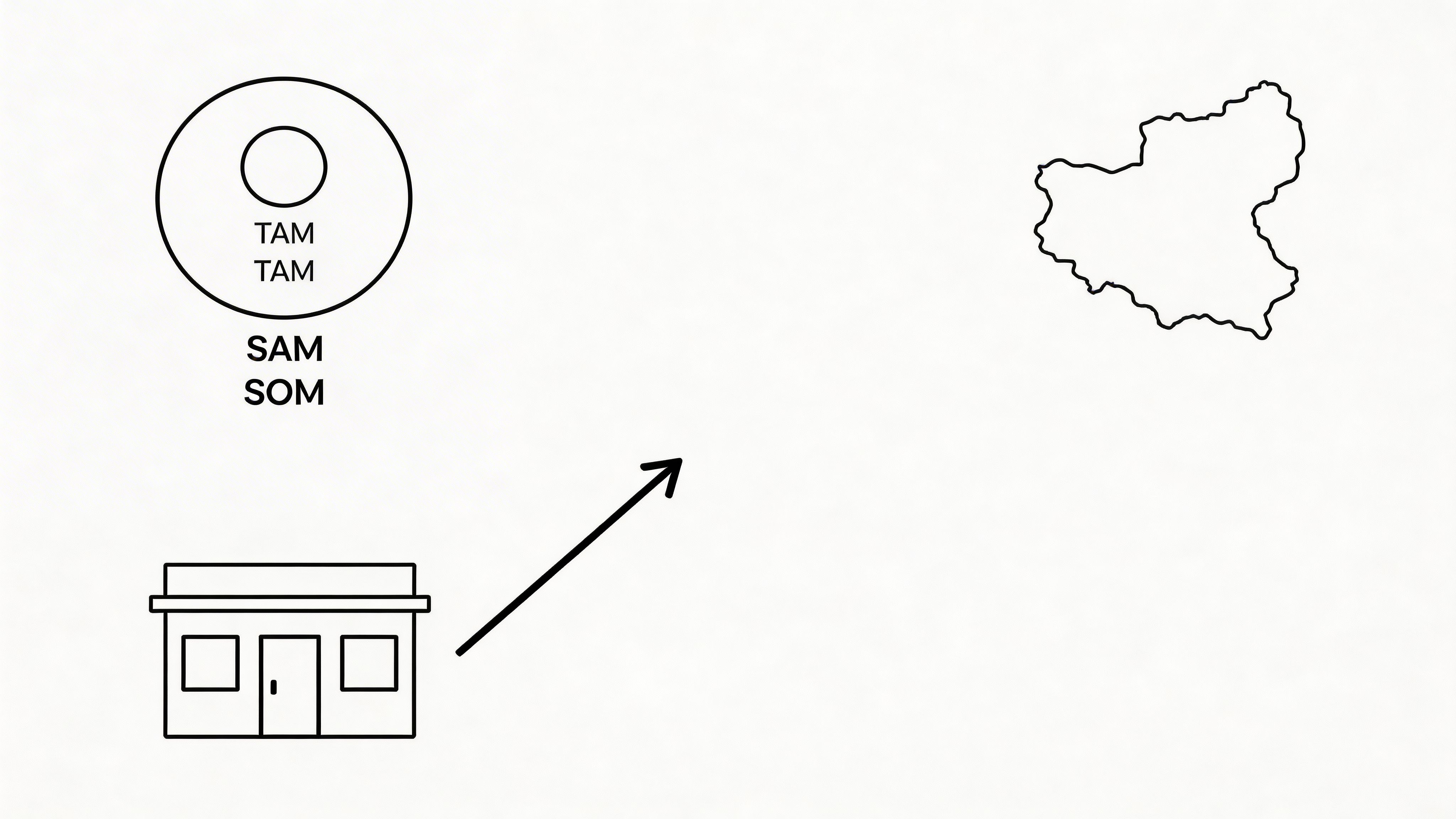
A quick visual can help you remember the moving parts before you start.
A workable prompt and framework
Take a toothpaste-style sizing question. Start with demand, not with random multiplication.
For U.S. cases, standardized business benchmarks matter. Candidates are generally expected to know the U.S. population is about 330 million, that smartphone penetration is about 70%, and that these figures are used as rough decision anchors rather than precise facts, as explained in Management Consulted’s guide to statistics to know for case interview.
A practical structure:
- Define the market clearly: Are you sizing total category demand, serviceable demand, or first-year entry potential?
- Split demand into drivers: Customer base, purchase frequency, units per purchase, and price.
- Add entry logic: Attractiveness, competition, customer access, and client capabilities.
If you’re preparing for broader analytical screens before live cases, this piece on questions in aptitude test is useful because it reinforces the habit of slowing down and defining the problem before solving it.
Step by step analysis
Suppose you’re estimating organic toothpaste demand. A clean top-down path is to start with the U.S. population, then narrow to likely buyers, then estimate usage.
Management Consulted gives a practical example built on a U.S. population base of roughly 329 to 330 million, daily brushing frequency of 2 times per day, tube longevity of about 2 months, and organic toothpaste penetration estimated at 1% of the toothpaste market in that example. The point isn’t the exact answer. The point is whether your assumptions are explicit, reasonable, and internally consistent.
Practical rule: Say your equation out loud before you calculate. Interviewers trust math more when they can follow the logic.
A strong candidate will also sanity check the result with a second method. If the top-down answer implies absurd household behavior, fix the assumptions.
Common trap: treating “market sizing” as a math drill only. Entry strategy matters too. Once you have demand, ask who buys, how concentrated the competition is, and whether the client has a practical route to customers.
A good practice variant is to keep the category fixed and change the geography, customer segment, or channel. That forces you to adapt your structure instead of recycling one canned answer.
Later, watch a live demonstration and notice how much of the score comes from pacing and communication, not just the final number.
2. Profitability & Financial Performance Case
A partner gives you a short prompt: profits are down at a retail chain, find the cause and recommend a fix. Two candidates can draw the same profit tree. The stronger one identifies the pressure point faster, asks for the right data, and avoids treating every branch as equally likely.
That is why this case type matters. It tests whether you can move from a clean structure to an actual diagnosis.
Start with the mechanics, then identify the break point
Begin with the basic equation.
Profit equals revenue minus cost. Revenue usually breaks into price, volume, and mix. Costs usually split into variable and fixed buckets. That gives you a map of the business, but you still need to determine which branch moved and why.
As noted earlier in the article, profitability cases are built to test systematic diagnosis. A profit decline can come from weaker sales, lower margins, a cost shock, or several issues hitting at once. Good candidates sort those possibilities before they start prescribing fixes.
In practice, I push people to ask one early question: what changed recently? A shift in promotions, customer traffic, supplier terms, product mix, or labor model often narrows the case much faster than reciting a full framework.
A full-stack way to practice the case
Use this sequence when you train:
Prompt: A retail chain has seen profit decline over the last year. Leadership wants to know what is driving the drop and what actions would improve performance.
Framework:
- Revenue, price, volume, mix
- Costs, variable and fixed
- Time frame, where the decline started and whether it is broad-based or isolated
- Actions tied directly to the diagnosed cause
Step-by-step analysis:
First, clarify the pattern. Is profit down because revenue fell, margin compressed, or costs rose faster than sales?
Next, isolate the biggest driver. If revenue is down, determine whether the problem is traffic, conversion, basket size, pricing, or mix. If costs are up, separate input costs, labor, logistics, rent, and overhead.
Then go one level deeper. A drop in volume at a retailer might come from weaker foot traffic, stockouts, lower repeat purchase, or a competitor opening nearby. A mix issue might reflect discounting, channel shift, or a surge in low-margin categories.
Finally, recommend actions that match the diagnosis. If premium customers traded down, improve assortment and promotional targeting before proposing broad cost cuts. If freight costs spiked, focus on sourcing and network changes rather than a marketing push.
Where strong candidates spend their time
For revenue, useful questions include:
- Price: Did the company increase discounting, face pricing pressure, or shift sales toward lower-priced SKUs?
- Volume: Did traffic fall, conversion weaken, or purchase frequency decline?
- Mix: Did growth come from lower-margin products, channels, or customer segments?
For costs, useful questions include:
- COGS: Did input prices rise, supplier terms worsen, or waste increase?
- Operating expenses: Did labor, marketing, fulfillment, or store overhead rise faster than expected?
This is also a good place to sharpen your line-item discipline. A financial analyst assessment test is useful practice because it forces the same habit: trace the movement in the numbers, then explain the business reason behind it.
A strong profitability answer shows a clear instinct for where to investigate first, then backs that instinct with a structured walkthrough.
Common traps
Candidates usually lose points in predictable ways.
One mistake is giving equal airtime to every branch. Cases rarely require a tour of the whole tree. Another is jumping to a favorite solution, such as cutting costs or increasing marketing, before identifying the source of the decline. A third is staying too abstract. “Revenue is down” is not a diagnosis. “Traffic is flat, but average basket fell because premium products lost share” is a diagnosis.
Practice variants
Keep the symptom constant and change the business model.
Use a retailer, a SaaS company, and a manufacturer with the same headline problem: profit is falling. The right branches will shift. In SaaS, churn, pricing tiers, and support cost-to-serve may matter more than store traffic. In manufacturing, yield, utilization, and procurement terms may dominate. That variation is what makes this a training ground instead of a list of prompts. You practice the prompt, the framework, the analysis sequence, the traps, and the variants until the pattern becomes repeatable.
Cohesyve
Practise this before it counts
Run the same kind of AI job simulation employers use and get a scored report on where you stand. 3 free assessments, no card required.
3. Pricing Strategy & Revenue Optimization Case
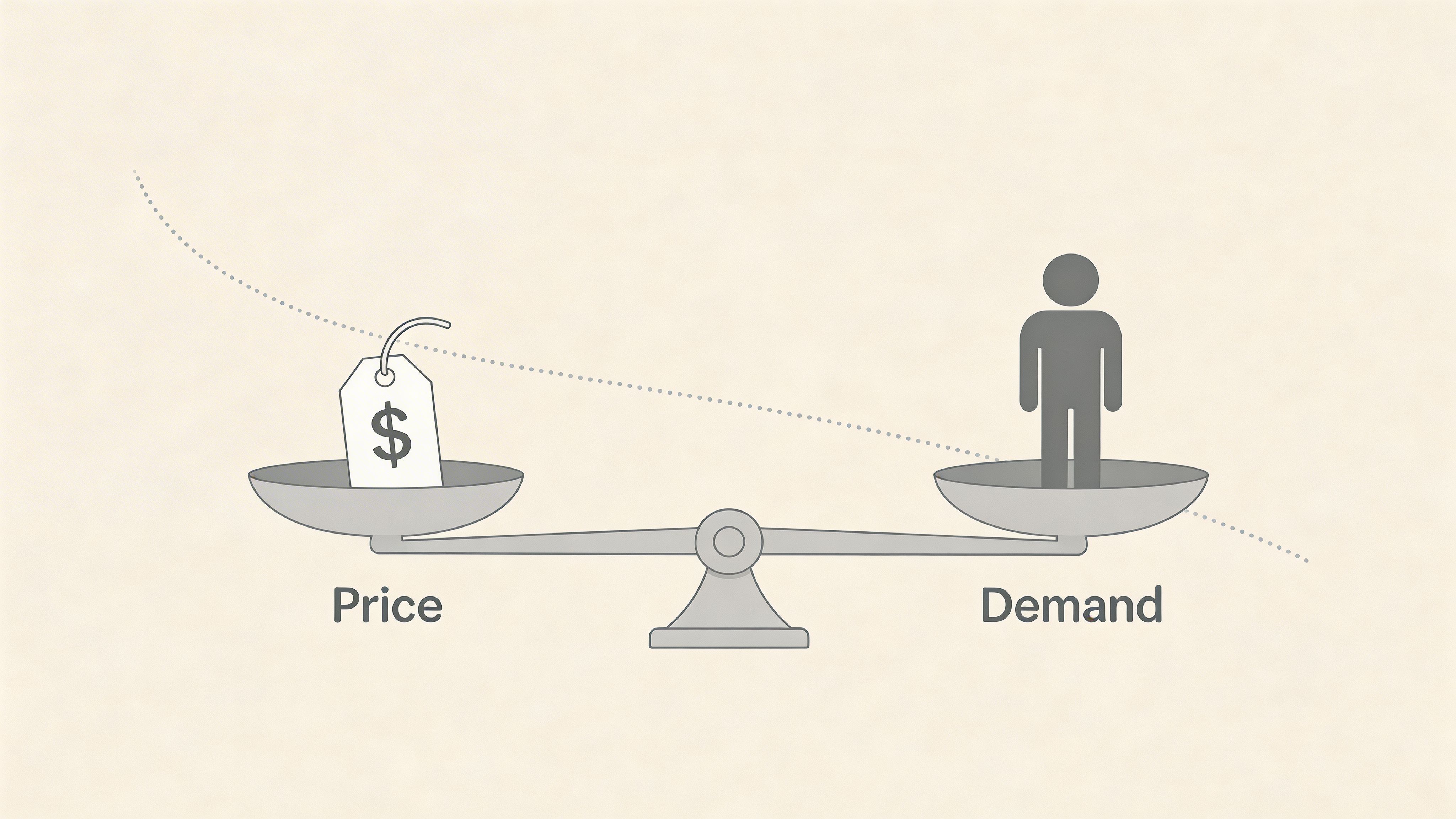
Pricing cases expose whether you can think in trade-offs. Raising price might lift revenue. It might also reduce demand, increase churn, or trigger competitive response. The job isn’t to defend one answer, it’s to map the consequences clearly.
How to structure the question
A solid pricing structure usually has four branches:
- Customer segments
- Willingness to pay
- Competitive context
- Financial impact
That looks obvious, but candidates often skip segment differences. They talk about “the customer” as if every buyer behaves the same way.
If a SaaS company wants to raise enterprise subscription pricing, don’t analyze one blended customer base. Separate large accounts, mid-market buyers, and more transactional customers if the prompt supports that distinction. The recommendation may differ by segment, packaging, contract length, or feature bundle.
What good analysis sounds like
Start by understanding the current pricing model. Subscription, usage-based, tiered, freemium, negotiated enterprise contracts, or some hybrid?
Then ask the right commercial questions:
- Who is most price sensitive: New customers, legacy customers, or heavy users?
- What value drives retention: Core functionality, support, integrations, compliance, or switching costs?
- What alternatives exist: Direct competitors, in-house workarounds, or doing nothing?
Once you’ve framed the commercial logic, model the revenue impact qualitatively if exact numbers aren’t given. Don’t invent elasticity figures. State scenarios instead. For example: if churn rises modestly in one segment but pricing power is stronger in another, the company may still come out ahead, especially if the higher-paying segment values features competitors don’t match.
A strong candidate also goes beyond revenue. They’ll note second-order effects such as sales cycle friction, customer trust, discounting discipline, and how pricing changes affect positioning.
“Price isn’t just a lever. It’s a signal.”
That line matters in interviews because it shows you understand strategy, not just arithmetic.
Common traps are recommending a universal price increase, ignoring discount leakage, and forgetting channel partners or sales incentives. A practical variant is to keep the same company and test different levers: raise list price, reduce discounts, change packaging, or introduce premium add-ons. You’ll learn quickly that the structure shifts depending on the lever.
4. Operational Efficiency & Cost Reduction Case
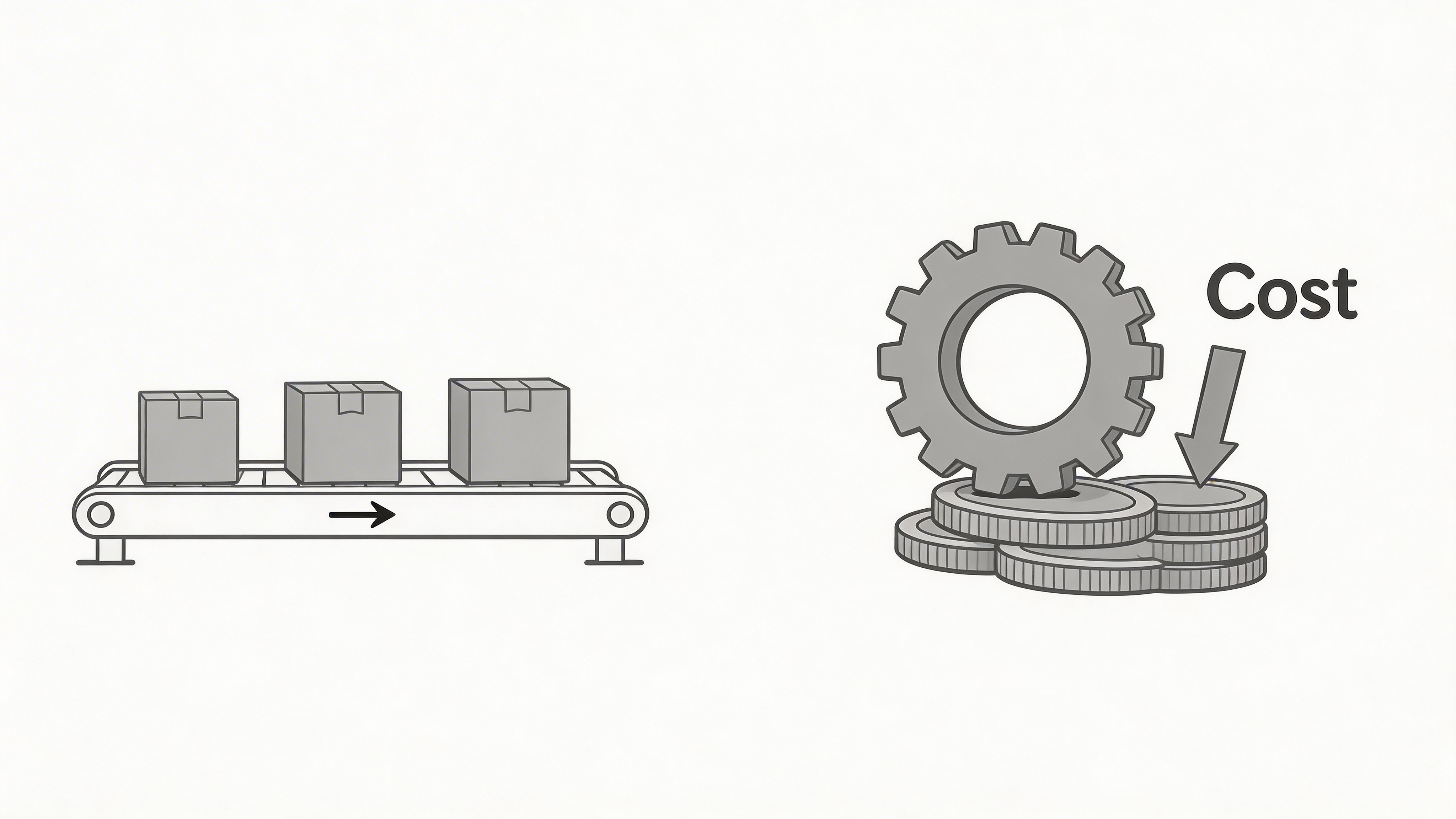
A client gives you a familiar brief. Costs are rising, service levels are slipping, and the CEO wants options in two weeks. Good candidates resist the obvious answer. They trace how the work gets done, identify the bottleneck, and separate waste from capacity the business still needs.
Build the map before proposing cuts
Start with the operating flow, not the org chart.
In a contact center, map demand, routing, handle time, rework, escalation, staffing, and service targets. In a supply chain case, map procurement, production, warehousing, transportation, and the failure points that trigger extra cost, such as stockouts, scrap, or expedited shipping. Then sort the cost base into fixed, variable, and one-time buckets so you do not recommend short-term cuts against costs that cannot move quickly.
I usually test five areas:
- Demand drivers. Is the business handling more orders, more calls, more returns, or more complexity than before?
- Process efficiency. Where is time lost through approvals, batching, handoffs, or avoidable rework?
- Labor model. Are staffing levels mismatched to demand peaks, skill mix, or productivity requirements?
- Vendor and input costs. Have supplier prices changed, contracts drifted, or service levels been overpurchased?
- Technology and tooling. Is weak software forcing manual work, duplicate entry, or exception handling?
That structure keeps the case grounded in how cost is created. It also prevents a common mistake. Candidates often treat every cost problem as procurement or every efficiency problem as headcount.
Example prompt
A national retailer’s customer support costs have risen sharply over the past year, but customer satisfaction has not improved. The CEO wants to reduce support costs without hurting service quality. What should the company do?
A workable framework
Use an operating model lens and make the trade-offs explicit:
- Volume: What is driving contact volume, and how much of it is avoidable?
- Productivity: How efficiently are agents or teams handling work?
- Service model: Which issues require high-touch support, and which can move to lower-cost channels?
- Upstream root causes: What in product, fulfillment, billing, or policy is creating unnecessary work?
- Implementation risk: Which fixes produce savings quickly, and which depend on systems, process redesign, or retraining?
Strong answers test whether support is expensive because support itself is inefficient, or because other parts of the business are creating failure demand. That distinction matters. It changes both the diagnosis and the recommendation.
Step-by-step analysis
Start with the basic math. Support cost is usually contact volume multiplied by cost per contact. That gives you the two main levers immediately.
Then diagnose volume. Are customers contacting the company because orders are delayed, invoices are confusing, products are failing, or self-service is weak? If repeat contacts are high, staffing may be a symptom rather than the cause. Candidates who want to sharpen this kind of reasoning should study a clear example of logical reasoning because operations cases often reward disciplined cause-and-effect thinking more than fancy frameworks.
Next, examine productivity in context. Look at average handle time, occupancy, shrinkage, training quality, escalation rates, and channel mix. Long handle times can point to poor tools or clumsy scripts, but they can also signal a product or policy issue that agents are compensating for manually.
Then segment the work. Password resets, billing disputes, shipment tracking, and technical troubleshooting should not sit in the same queue with the same staffing model. Cost often comes down when the company redesigns routing, simplifies policy, and shifts simple interactions to self-service while protecting high-value or high-risk interactions.
Finish by sequencing actions. Some moves are fast, such as schedule changes, routing fixes, better workforce management, or vendor renegotiation. Others take longer, such as product fixes, workflow redesign, or rebuilding the knowledge base. A good recommendation separates quick wins from structural fixes instead of blending them into one vague plan.
What a strong recommendation sounds like
A practical answer sounds like this: reduce avoidable contact volume first, then improve the unit economics of the remaining work. That may mean fixing the top drivers of repeat calls, moving simple requests to digital channels, tightening escalation rules, and matching staffing to actual demand patterns rather than average demand.
Sequence matters.
If the company cuts agents before it removes failure demand, service usually deteriorates and repeat contacts rise. If it fixes upstream issues first, the business can often reduce cost with less customer damage and less operational risk.
I have seen candidates miss this repeatedly. They identify an expensive function, but they never ask why it became expensive.
Common traps
- Recommending layoffs before understanding service levels, demand patterns, or rework
- Treating the full cost base as variable even when part of it is fixed in the short term
- Ignoring upstream causes such as product defects, billing errors, poor forecasting, or policy complexity
- Assuming automation saves money immediately without accounting for implementation cost, transition risk, and adoption issues
- Using average productivity metrics without checking queue mix, peak loads, and quality outcomes
There is also a judgment call here. Some cost is protective. Extra staffing during volatility, backup suppliers, or tighter quality checks can look inefficient on paper and still be the right choice if they prevent larger losses elsewhere.
Practice variants
Change the source of inefficiency and rerun the same case:
- Support costs are rising because returns have increased
- Warehouse labor costs are high because demand is volatile
- Manufacturing margins are down because scrap rates have climbed
- Logistics costs are up because the company relies on expedited shipping
- Back-office costs are bloated because teams duplicate manual work across regions
Repeated practice pays off here. The value of these consulting case interview examples is not the prompt alone. It is the full stack. Prompt, framework, step-by-step analysis, common traps, and practice variants. That is how candidates build repeatable judgment instead of memorizing one polished answer.
A useful real-world parallel is staffing work that does not need to stay in a high-cost location. For selected administrative, support, or coordination tasks, companies sometimes reduce unit cost by redesigning the workflow and shifting work to lower-cost talent pools. That only works if handoffs, quality control, and role definitions are clear. Hire LatAm Virtual Assistants is one example of that operating model. In a case interview, the point is not to force outsourcing into the answer. The point is to show that cost reduction is an operating model decision, not just a budget cut.